
Signs Your Smile Is Aging Faster Than It Should
March 24, 2026
Non-Surgical Facial Rejuvenation for Busy Professionals
March 26, 2026Are At-Home Dental Trends Safe or Risky?
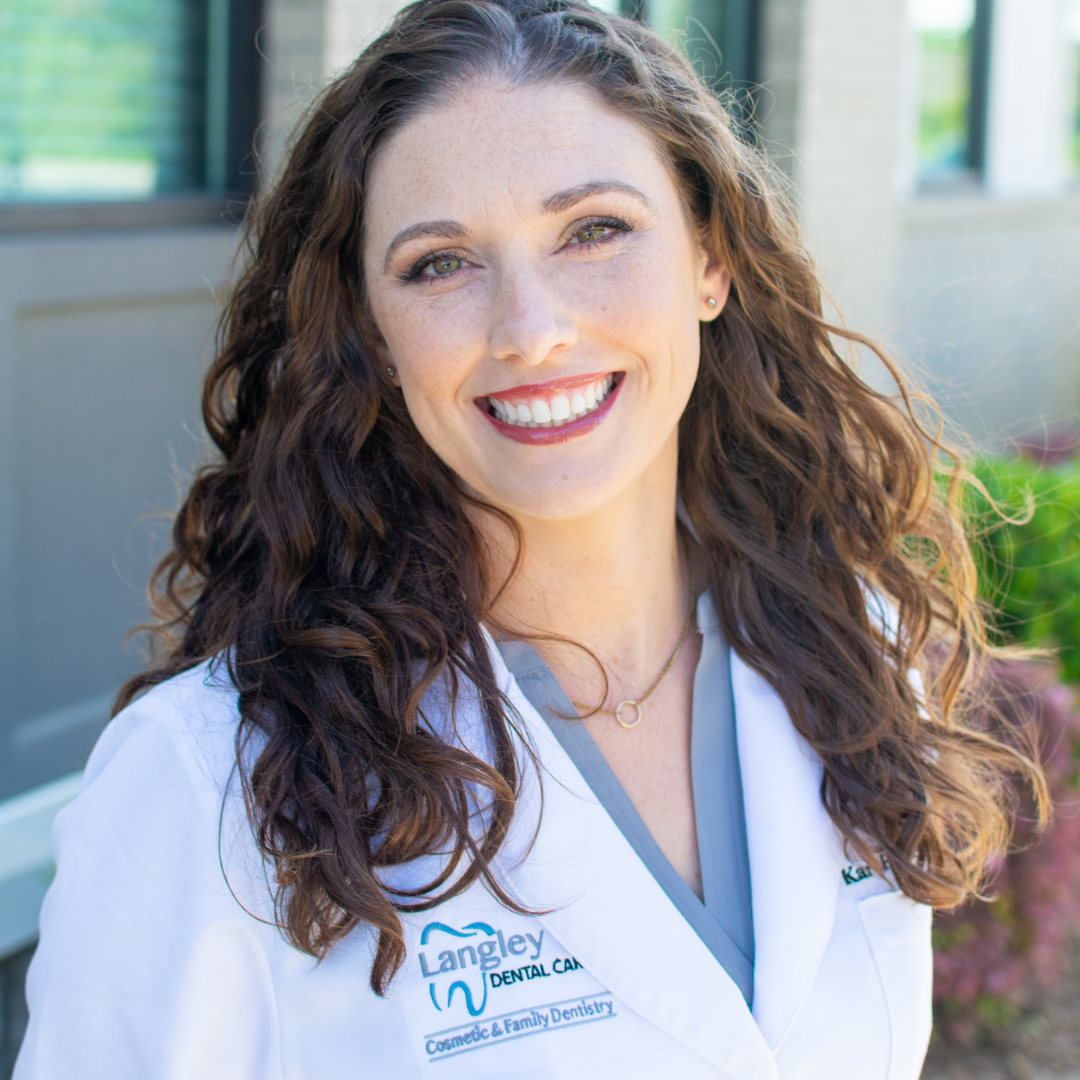
Dr. Kari Langley, DMD, an Auburn University and UAB School of Dentistry graduate, has been practicing since 2004 and specializes in personalized dental care to help patients achieve both health and beauty in their smiles.

Popular At-Home Dental Trends
Many individuals are intrigued by at-home dental trends that promise whiter teeth or straighter smiles without a traditional dental visit. These options often present themselves as convenient and affordable alternatives to professional care. This article will thoroughly examine whether these popular at-home dental trends are truly beneficial or if they pose significant risks to your oral health.
Key Insights
Convenience vs. Risk – At-home dental trends offer perceived convenience and lower costs, yet they frequently come with substantial safety risks that can outweigh any initial benefits.
Professional Oversight is Crucial – Dental experts consistently recommend professional consultation and oversight before, during, and after engaging in any at-home dental treatment to prevent damage and ensure effective results.
Product Quality Varies Widely – The effectiveness and safety of at-home dental products differ significantly; many cheap or unregulated options can lead to enamel erosion, gum irritation, or even infection.
Regulatory Gaps Exist – Regulatory oversight for many direct-to-consumer dental products is limited, meaning not all product claims are verified, and some items may lack essential safety approvals.
Long-Term Health Matters – Prioritizing long-term oral health over quick, unsupervised fixes is essential, as reversible damage from DIY attempts can escalate into costly and complex treatments.
Understanding Popular At-Home Dental Trends
The dental market has seen a significant increase in at-home solutions designed to address various cosmetic concerns. These trends appeal to many because they offer quick results and the comfort of personal use. Furthermore, many people are looking for accessible options to improve their smile.
Whitening Products
One of the most widespread at-home dental trends involves teeth whitening. Products range from whitening strips and pens to LED light kits and specialized toothpastes. Individuals often seek these solutions to combat stains from coffee, tea, or other foods. For instance, someone might use a glow teeth whitening kit at home to brighten their smile after noticing discoloration.
DIY Aligners and Impression Kits
Another popular trend includes at-home impression kits from services like SmileDirectClub or Byte. These kits involve users creating their own dental molds, which are then used to produce custom clear aligners. The goal is to gradually straighten teeth without the need for traditional braces or frequent in-office adjustments. This approach particularly appeals to busy professionals or parents seeking discretion and flexibility.
Electric Polishing Tools
Electric polishing tools have also gained traction, aiming to replicate the smooth, clean feeling of a professional dental cleaning. These handheld devices are designed to remove surface stains and polish teeth using specialized pastes. Many users incorporate these into their routine after meals to maintain a fresh appearance. Ultimately, these options promise professional-level care from home, but it is important to question: Are at-home dental trends safe or risky?
The Allure of At-Home Solutions: Perceived Benefits
At-home dental products have become increasingly attractive due to several perceived advantages. These trends address common desires for convenience and affordability. Additionally, they often fit seamlessly into busy lifestyles, making them a popular choice for minor cosmetic enhancements.
Convenience and Time Savings
A significant draw of at-home dental solutions is the convenience they offer. Users can brighten their smiles or work towards straighter teeth without scheduling appointments or taking time off work. Short daily routines, such as applying whitening strips for 10-20 minutes, can replace lengthy in-office procedures. This flexibility allows busy individuals to maintain their oral aesthetics on their own schedule, even late in the evening after their children are asleep.
Cost-Effectiveness and Accessibility
The lower initial cost of at-home kits often makes them seem like a budget-friendly option. For example, a $20 whitening pen can provide noticeable results without the higher fees associated with professional treatments. This can be especially appealing for those managing tight budgets. Furthermore, these products enhance accessibility for individuals in remote areas where dental clinics might be hours away. Consistent care can be maintained through mailed supplies, offering a solution where professional services are scarce.
Privacy and Comfort
Many individuals prefer the privacy of addressing minor cosmetic issues, like slight tooth discoloration, in their own homes. This can help them avoid potential embarrassment they might feel during an office visit for purely aesthetic concerns. The comfort of performing these treatments in a familiar environment adds to their appeal. While these benefits highlight why at-home trends gain popularity, ensuring safety remains paramount.
Key Safety Risks of At-Home Dental Trends
Despite their perceived benefits, at-home dental trends carry notable safety risks. These can lead to serious oral health complications if not properly managed or if professional guidance is ignored. Issues such as enamel damage, gum irritation, and improper tooth movement are common concerns.
Product Quality and Usage Errors
Many at-home dental products suffer from inconsistent quality. Cheap whitening gels, for instance, might contain dangerously high peroxide concentrations or lack proper quality control, leading to extreme tooth sensitivity or enamel erosion. Similarly, ill-fitting aligners, often resulting from inaccurate home impressions, can shift teeth incorrectly and worsen existing bite issues. Non-FDA cleared polishers risk scratching enamel, creating rough surfaces that are more prone to staining and decay. Therefore, verifying product claims and ingredient lists is crucial.
Infection and Injury Risks
Improper use of at-home dental tools significantly heightens the risk of infections or physical injuries within the mouth. Reusing tools without proper sterilization can introduce harmful bacteria into the oral environment. Gum cuts from sharp aligner edges can lead to swelling or bleeding, while chemical burns can occur from misused LED kits or undiluted gels. These injuries can range from minor discomfort to serious, long-term problems. Always prioritize sterile conditions and follow instructions precisely to minimize these dangers.
Lack of Professional Oversight
A primary risk factor for DIY dental treatments is the absence of professional oversight. Dentists conduct thorough examinations, including X-rays, to assess oral health before recommending any treatment. This professional assessment identifies underlying conditions like cavities or gum disease that could be exacerbated by at-home products. Without this vital step, minor issues can escalate into costly and painful treatments. For those in the Charlotte, NC area, maintaining good oral hygiene charlotte nc is essential before trying any new trend.
Expert Opinions on At-Home Dental Care
Dental professionals consistently urge caution when considering at-home dental trends. They generally recommend these products only as supplements to, rather than replacements for, professional care. Reputable organizations like the American Dental Association (ADA) emphasize the limited efficacy of DIY methods for complex oral health issues. This is because clinical standards and individualized treatment plans are often superior.
Concerns from Dentists
Dentists frequently encounter patients with “reversible damage from DIY” attempts. This includes gum irritation from improperly applied whitening gels or uneven whitening results. The ADA specifically advises against using at-home kits for anything beyond basic oral maintenance. Professional oversight ensures safer and more effective outcomes, tailored to an individual’s specific needs. For more insights on maintaining excellent oral health, you can visit resources like our Best Oral Health Care Blogs.
The Value of Professional Guidance
Research indicates that at-home trends carry significant risks when used without expert guidance, particularly for individuals with sensitive enamel or pre-existing gum conditions. Dentists advocate for combining home treatments with regular check-ups to monitor progress and address any adverse effects promptly. This balanced approach helps prevent common pitfalls such as enamel wear or permanent discoloration. To learn more about comprehensive dental care, consider exploring our Best Preventive Dentistry in Charlotte NC page.
Regulatory Landscape and Consumer Protection
The regulatory environment for at-home dental products often lacks comprehensive oversight, which creates potential gaps in safety standards. While the FDA clears certain kits for specific uses, not all product claims undergo rigorous approval processes. This situation leaves room for misleading marketing tactics within the rapidly expanding direct-to-consumer market.
Scrutiny for Direct-to-Consumer Aligners
Direct-to-consumer aligners, in particular, face significant scrutiny from regulators due to potential risks. These risks include improper fit, resulting bite issues, and even tooth loss. The FDA evaluates these products based on clinical data, yet many brands operate in a gray area, often relying on unverified remote monitoring. Experts strongly recommend exercising caution with any product that bypasses professional dental oversight. If you are considering cosmetic improvements, it is always best to consult with a professional, for example, at Langley Dental Care’s Cosmetic Dentistry services.
Identifying Red Flags
Consumers should be vigilant for specific red flags when evaluating at-home dental products. These include sellers without clear credentials, exaggerated promises like “overnight whitening,” or imported items lacking English labeling. Unregulated imports often bypass crucial safety testing, raising concerns about potentially harmful chemicals or materials. Always prioritize transparency in product sourcing and claims. You can check for FDA clearance on product labels or packaging to ensure legitimacy. For instance, regulated options like Crest 3D Whitestrips have received FDA clearance for whitening purposes. By verifying these details, you can better assess if at-home dental trends are safe or risky for your individual needs. Professional input adds an essential layer of protection against regulatory ambiguities.
Safety Recommendations for At-Home Dental Treatments
To minimize the inherent risks associated with at-home dental trends, adhering to expert-backed safety guidelines is imperative. These steps help balance the convenience of home products with necessary caution, ensuring your oral health remains protected. Regular teeth cleaning charlotte nc is a fundamental part of a healthy oral routine.
Consult a Dental Professional First
Before initiating any at-home dental trend, it is crucial to seek professional input. A dentist can thoroughly assess your teeth and gums to determine if a particular product is suitable for your specific oral health condition. This preemptive step helps prevent issues that could arise from underlying problems, such as undetected cavities or gum disease. Consider scheduling a dental exam to discuss your plans and get personalized advice. For example, sharing product details during your visit allows the dentist to provide tailored recommendations.
Choose ADA-Approved Products
Whenever possible, select products that bear the American Dental Association (ADA) Seal of Acceptance. This seal signifies that the product has been tested for safety and efficacy, meeting rigorous standards. This applies to items such as whitening strips, electric toothbrushes, and certain types of floss. The ADA seal provides an assurance of quality and reduces the risk of adverse reactions. This helps ensure that the products you choose are backed by scientific evidence and dental community endorsement.
Follow Instructions Meticulously
Strictly adhering to product instructions is non-negotiable. Use timers for applications, such as the recommended 30 minutes for whitening gels, to prevent overexposure. Measure portions precisely as directed by the manufacturer. Deviating from these guidelines can lead to unintended side effects, including chemical burns, extreme sensitivity, or uneven results. Remember, more is not always better when it comes to dental treatments.
Monitor for Adverse Reactions
Pay close attention to how your mouth responds to any at-home treatment. If you experience sensitivity, pain, swelling, or irritation, discontinue use immediately and contact your dentist. Tracking daily changes in a personal journal can be beneficial for monitoring any subtle shifts in your oral health. Early detection and intervention are key to preventing minor issues from escalating into more serious problems. You can learn more about managing sensitivity on our Why Is My Tooth Sensitive To Cold page.
Integrate with Professional Cleanings
At-home care should always complement, not replace, regular professional dental visits. Schedule routine dental check-ups and cleanings alongside your home care regimen for comprehensive protection. These appointments allow your dentist to catch problems early, provide deeper cleaning, and offer guidance on your at-home practices. Visiting your dentist regularly, perhaps twice a year, as detailed on our Importance of Dental Exams page, is crucial for maintaining optimal oral health. Ultimately, avoiding pitfalls like overuse, which can weaken enamel, or skipping consultations, which risks worsening conditions, will keep your smile healthier.
Ready to Ensure Your Oral Health is Optimal?
Don’t leave your smile to chance with unverified at-home dental trends. Our experienced team is here to provide professional guidance and safe, effective treatments. Schedule a consultation today to discuss your dental health goals.
Frequently Asked Questions
Are At-Home Dental Trends Generally Safe or Risky?
At-home dental trends, including whitening kits, aligners, and DIY braces, can carry significant risks without professional dental oversight. While some products may be FDA-approved for basic cosmetic use, improper application often leads to enamel damage, infections, or misalignment. It is always recommended to consult a dentist to assess the safety and suitability for your specific oral health needs before starting any at-home treatment.
What Factors Make At-Home Dental Trends Risky?
Key risks stem from using unverified products that can cause gum irritation, severe tooth sensitivity, or even permanent dental damage. Trends lacking scientific backing, such as charcoal whitening or oil pulling, have been shown to potentially erode enamel. Professional dental care ensures safety through accurate diagnosis, personalized treatment plans, and continuous monitoring, which home kits cannot provide.
Are At-Home Whitening Kits Truly Safe?
Over-the-counter whitening kits are generally safe for addressing mild surface stains if used strictly according to instructions. However, kits containing high-peroxide formulas can burn gums or weaken tooth enamel if misused. Dentist-supervised whitening options are typically safer and more effective, minimizing risks like uneven results or heightened sensitivity by customizing the treatment to your unique dental profile.
Can DIY Orthodontics from At-Home Trends Harm Your Teeth?
DIY aligners or braces acquired through online services pose extremely high risks. These can include severe bite issues, potential tooth loss, or chronic jaw pain, primarily due to the absence of X-rays, proper diagnostic evaluation, and crucial in-person adjustments by an orthodontist. Board-certified orthodontists provide safe, customized treatment plans that address complex tooth movement, making unregulated trends a dangerous alternative.
Can At-Home Dental Trends Effectively Replace Professional Dental Care?
No, at-home dental trends cannot fully replace professional dental care. While they may offer convenience for minor cosmetic issues, they are incapable of diagnosing or treating underlying problems such as cavities, gum disease, or other serious oral health conditions. Regular check-ups with a dentist are vital for early detection and prevention of costly complications that can arise from relying solely on risky self-treatment methods.

